
LOOP Device Deep Dive: Adaptive Portable NPWT Platform
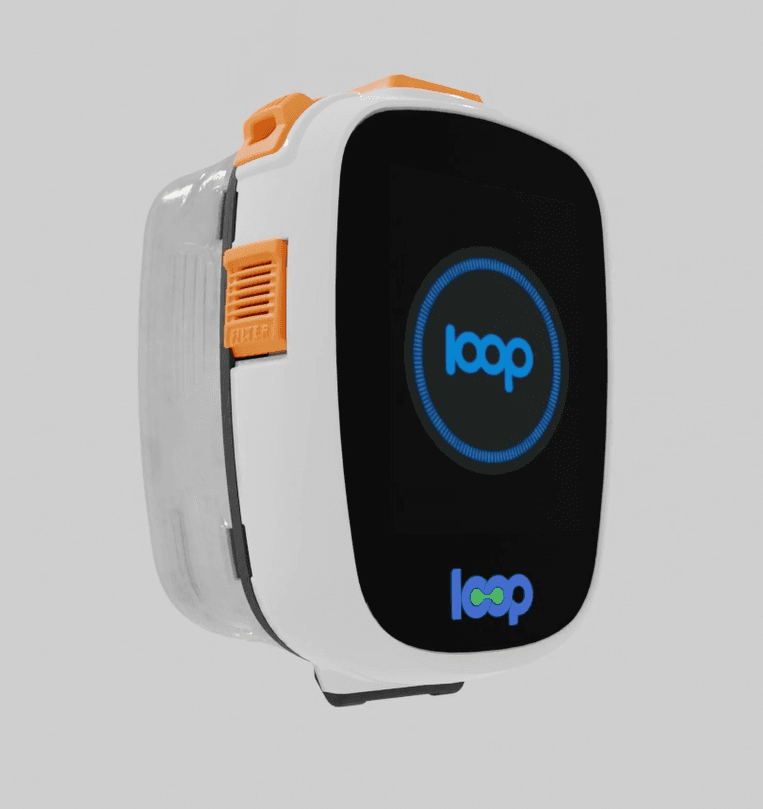
Negative Pressure Wound Therapy (NPWT) is increasingly moving beyond hospital walls. LOOP is a portable NPWT device designed for both inpatient and outpatient care, with a focus on mobility, safety, and treatment continuity.
Why LOOP
The concept is built around outpatient growth, lower treatment cost, lower clinician workload, and better patient comfort. The target is a practical hospital-to-home NPWT setup that supports a wider wound range while reducing safety gaps in home use.
## Current portable NPWT challenges
- Limited support for deeper or cavity wounds
- Inefficient exudate management and maceration risk
- Fixed therapy logic without adaptive transitions
- Treatment management gaps: delayed changes, ignored alarms, undocumented events
- Technical limits: battery replacement burden, low suction robustness, weak feedback UX
- Environmental and economic waste from single-therapy device cycles
Portability in NPWT requires more than a small form factor. LOOP positions innovation around unresolved field problems.
## Design features: compact and reusable
- Reusable portable NPWT device
- Dimensions: 95 x 70 x 30 mm
- Weight: ~220 g
- Portable and stationary use options, including D-rings and tabletop dock accessory
- Integrated canister options: 150 cc and 500 cc
- Embedded filter and odor-control support
Interface and operation
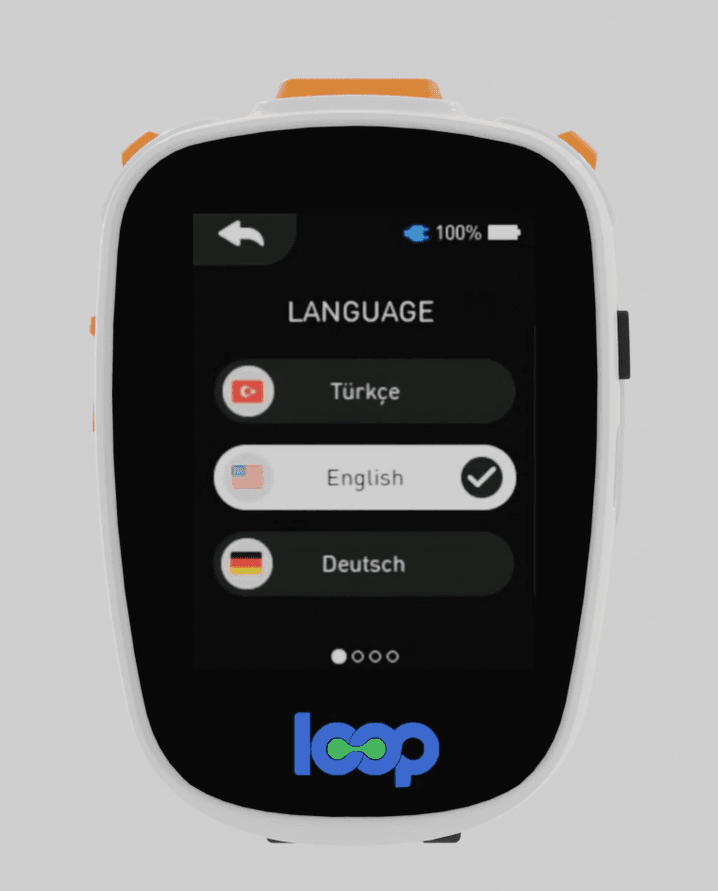
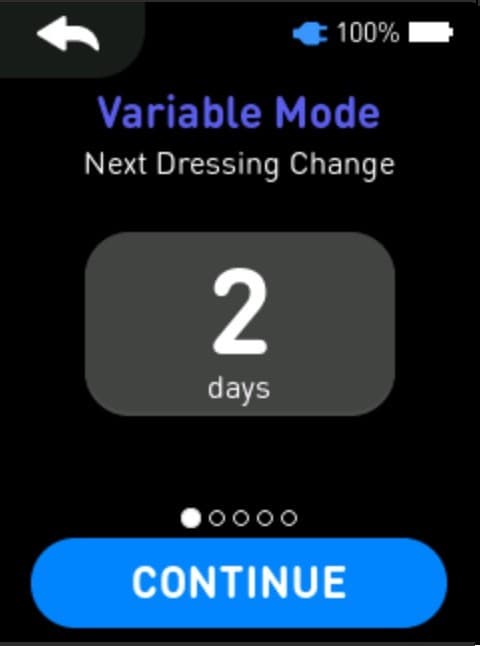
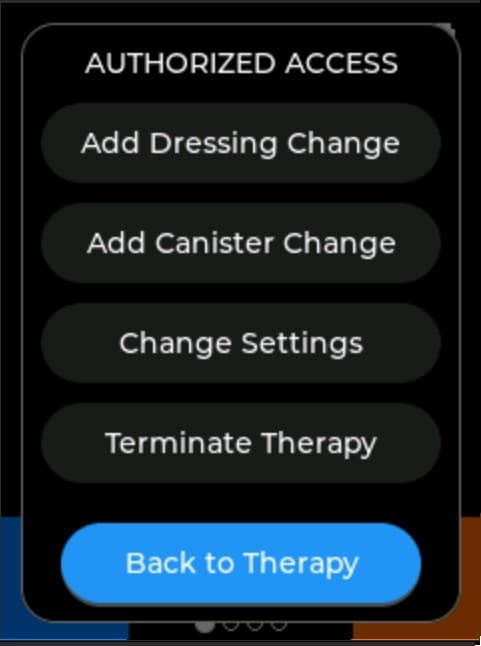
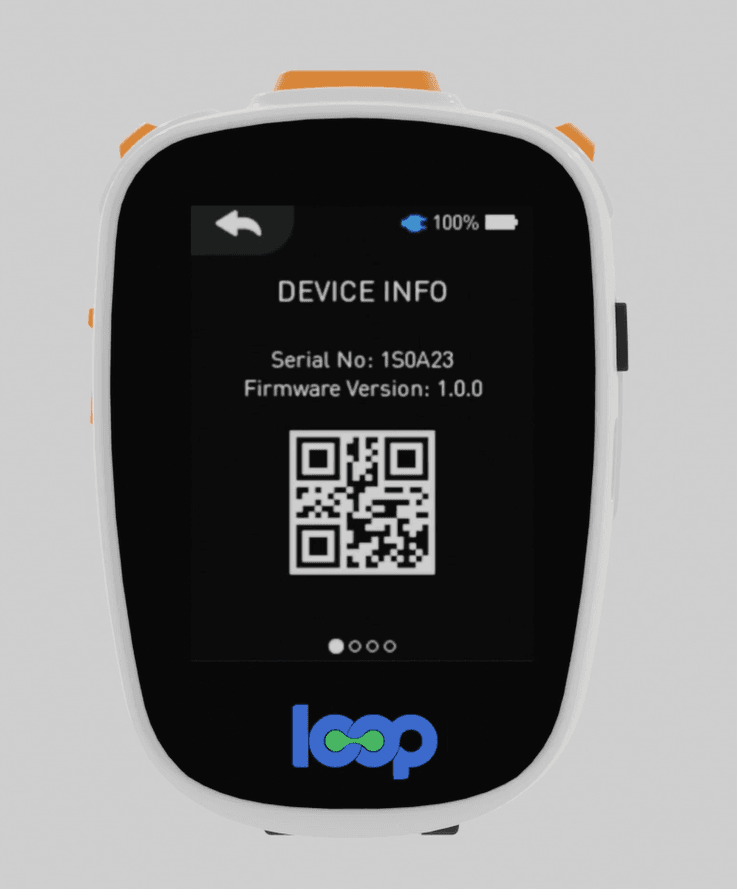
LOOP uses a 2.8-inch color touchscreen with swipe navigation, audible feedback, multilingual support, and a screen-lock function for safer handling in home use.
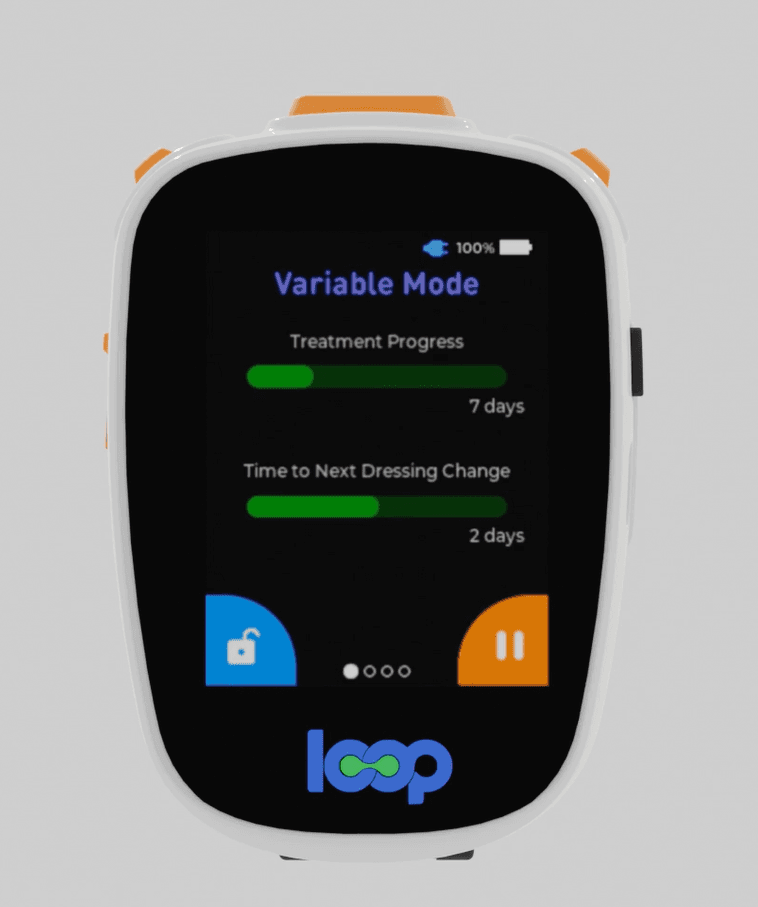
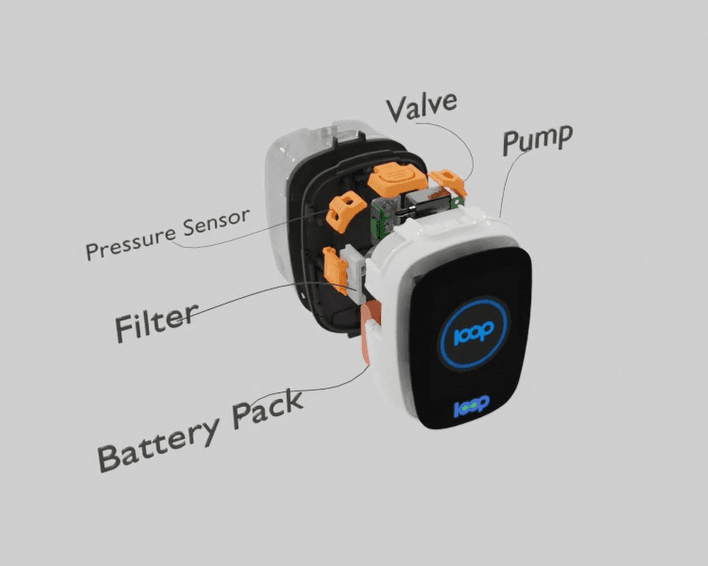
The pneumatic design supports double-lumen operation with dual digital pressure sensors, real-time pressure tracking, and active control for exudate flow and blockage events.
Maintenance, battery, and wireless core
- Approx. 1 L/min vacuum pump
- Pump lifetime target around two years
- Simplified modular design for easier servicing
- Carbon-filtered exhaust for odor control
- Built-in Li-Ion battery
- Fast charging via USB-C (target under two hours)
- Up to 12 hours operation with power-saving logic
- Bluetooth-ready architecture with custom encrypted communication protocol
## Clinical features and indications
LOOP targets expanded indications from superficial wounds to small and medium cavity wounds for both inpatient and outpatient workflows, including hospital-to-home transition.
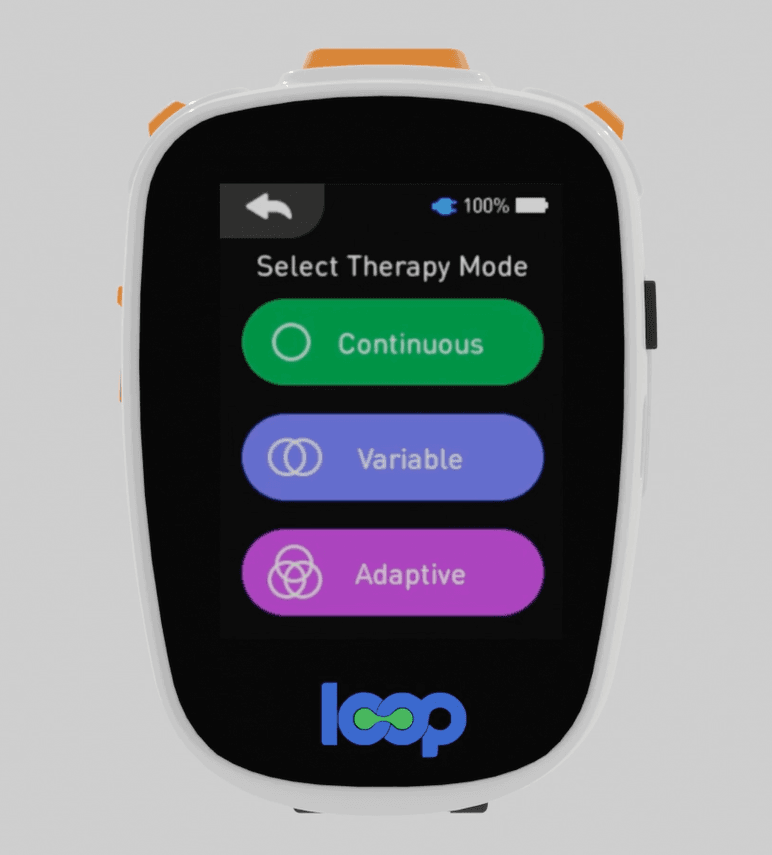
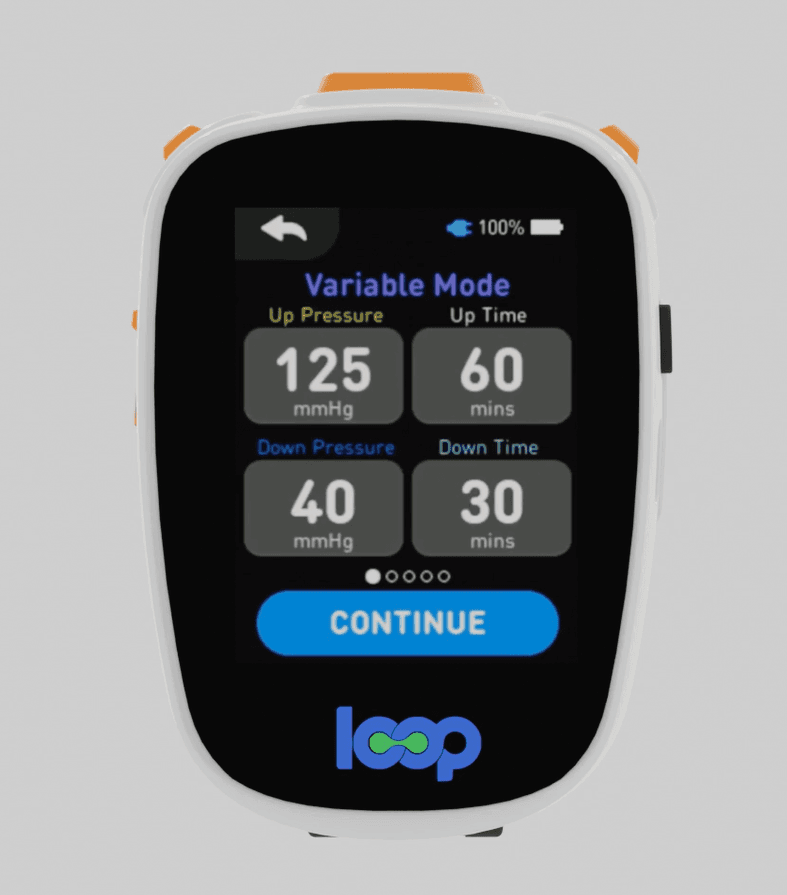
- Therapy modes: Continuous, Variable, and Adaptive
- Pressure range: 30 to 150 mmHg
- Adjustable intensity and alarm sensitivity
Adaptive mode
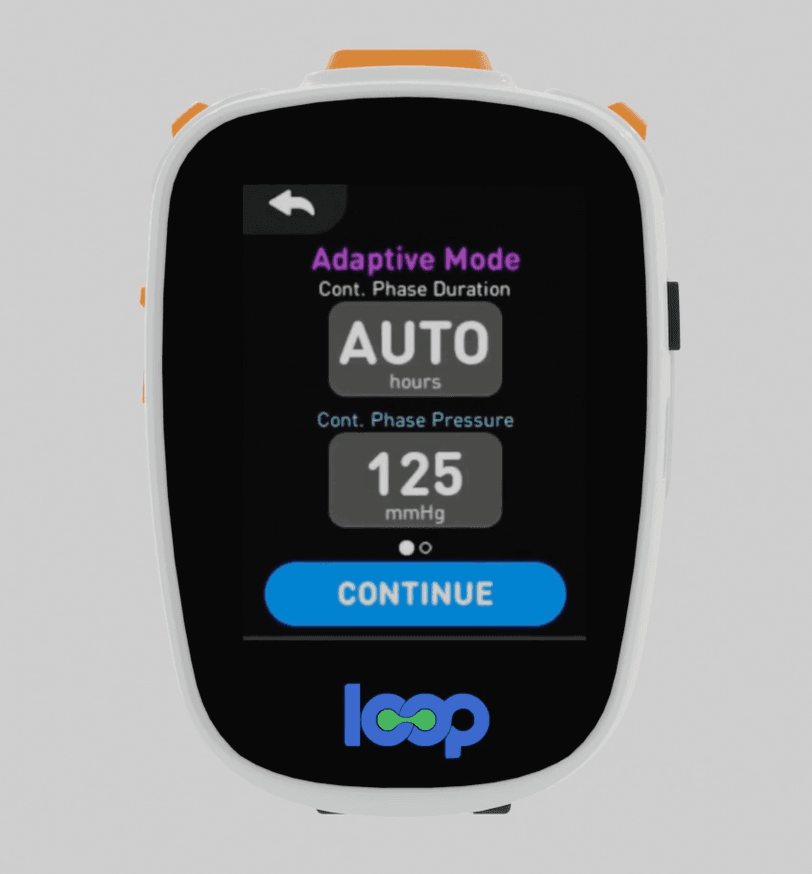
Adaptive mode combines the benefits of continuous and variable therapy without requiring manual switching during care.
- Continuous mode focus: efficient exudate removal
- Variable mode focus: stimulation for cell proliferation
- Autonomous transition supported by exudate-flow analysis
- No clinician interruption required for mode changes during active treatment
- Automatic logging of mode transitions in therapy records
LOOP EYE: Exudate-aware intelligence
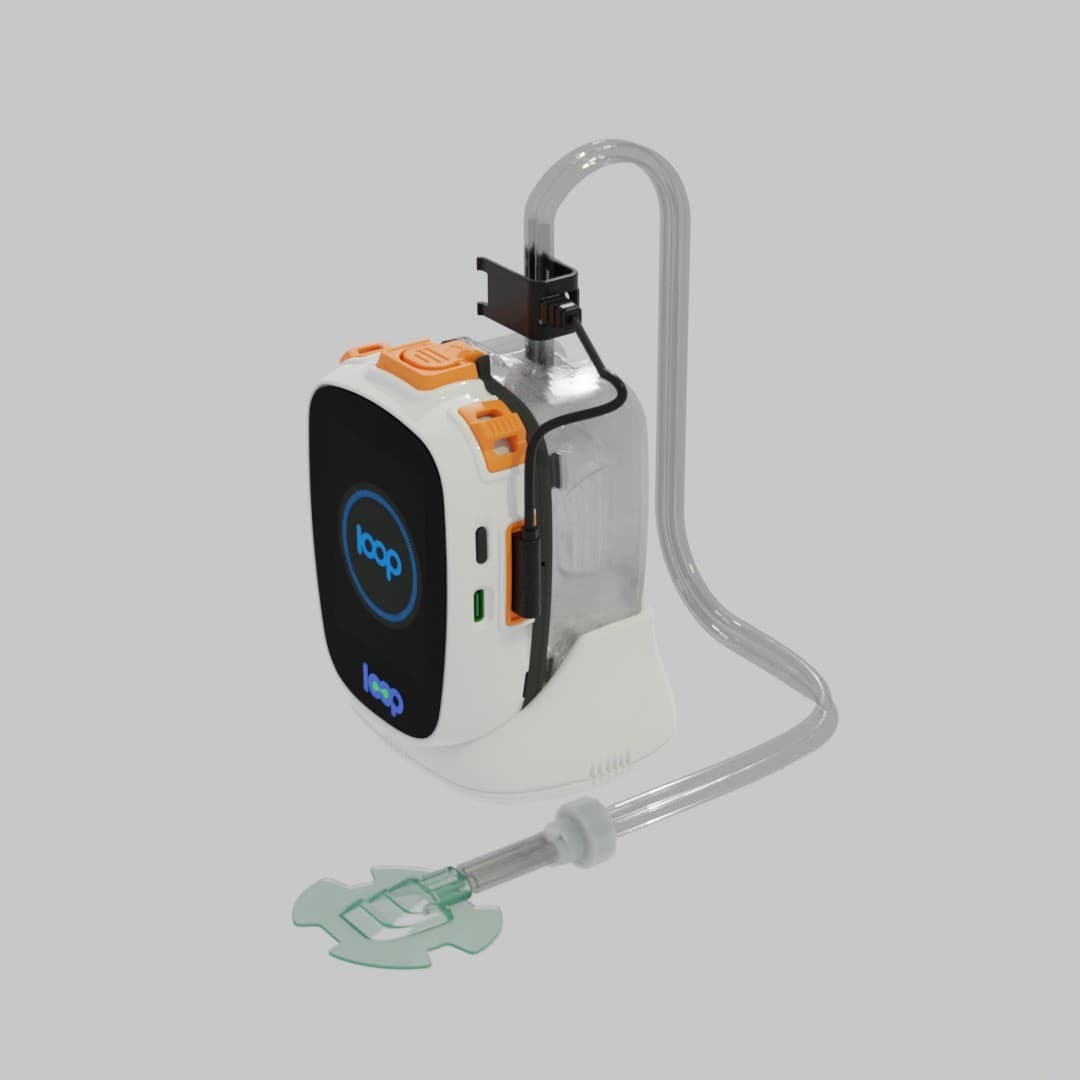
The LOOP EYE module monitors exudate flow before canister entry, analyzes flow level and exudate color, supports adaptive mode decisions, and introduces bleeding alert capability as an additional safety layer.
Built-in treatment management and patient safety
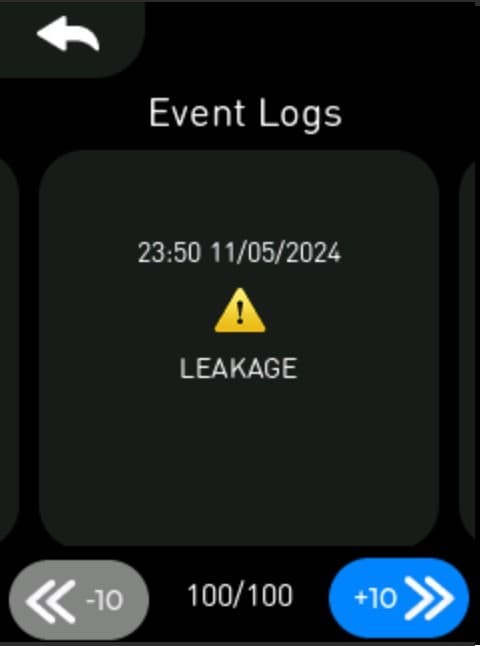
LOOP includes scheduling reminders and detailed event records for dressing/canister changes, alerts, interferences, and mode transitions.
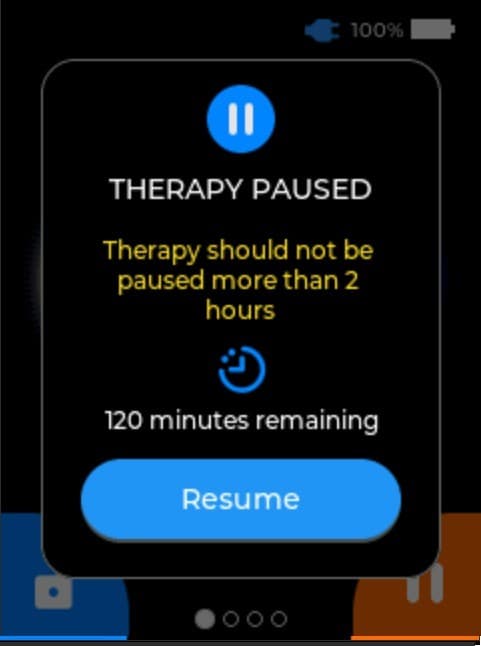
Safety events include leakage, blockage, canister full, low battery, maintenance time, bleeding, dressing-change time, prolonged pause, treatment completion, and impact detection.
Remote NPWT platform
The remote platform is designed as a scalable architecture for treatment visibility, safety, and future data services.
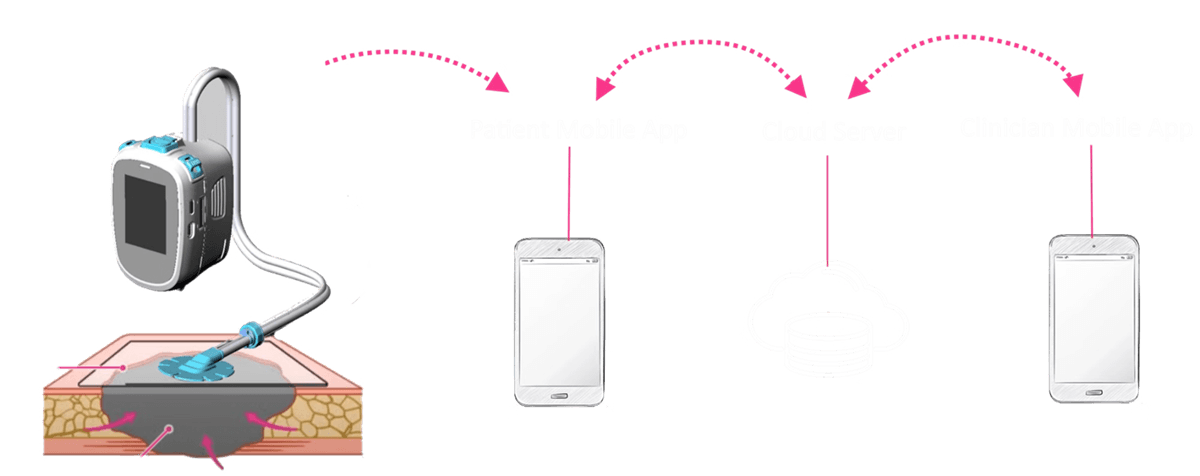
Action mode 1: Device and patient app
- Secure Bluetooth pairing between LOOP and patient app
- Real-time status and alert updates to the patient app
- Digital IFU and troubleshooting guidance
- Multilingual support and photo-sharing flow
### Action mode 2: Cloud and clinician app
- Patient-device-clinician assignment management
- Secure storage of active and archived treatment data
- Real-time monitoring for settings, events, and records
- Alarm notification support and team-based clinician tracking
- Photo review and data export capabilities
## Implementation readiness
- Target production cost below $100
- Supply-ready components and spare parts
- Maintenance-ready modular design with preventive-maintenance tracking
- Remote features can be deployed as staged rollout
- Designed to support certification and production workflows
Final take
LOOP is positioned as a complete NPWT device platform, combining compact reusable hardware, adaptive therapy logic, exudate-aware sensing, and remote-care extensibility.
Need help with a similar project?
Talk directly with an engineer about your requirements. We typically respond within 1 business day.
Related insights
Connected medical devices improve care, but they also expand risk. Here are the core regulations and practical cybersecurity steps manufacturers should follow.
Distinguishing central from obstructive apneas prevents pressure chasing, improves interpretation, and guides safer CPAP therapy decisions.
Low-power embedded systems are reshaping industrial reliability, edge intelligence, and long-life sensing in the field.